Business Name: Heritage Glass
Address: 2005 NE Columbia Blvd, Portland, OR 97211
Phone: (503) 289-3288
Heritage Glass
Company specializing in interior glass fixtures & dividers, with a showroom for shower enclosures.
2005 NE Columbia Blvd, Portland, OR 97211
Business Hours
Monday thru Friday: 7:30am to 3:30pm
Facebook: https://www.facebook.com/profile.php?id=100087644615356
Portland restrooms have their own rhythm. You see it in the cedar slats a property owner restored from a Sellwood remodel, the patina of a century-old tub in Irvington, the concrete vanity a contractor soaked a rainy Tuesday in St. Johns. The mirror ties these components together in a way couple of components can. It shows light, sets percentage, and silently informs you whether the room feels generous or confined. In a region where winter seasons run dim and early mornings start early, the ideal mirror is not simply an ornamental thrive, it is job lighting, spatial hoax, and day-to-day routine all working in sync.
Custom mirrors, effectively cut and finished by a skilled glazier, do more than fill a blank wall. They make a statement that fits the room and individuals who utilize it. Off-the-shelf pieces have their place, however when the tile layout is atypical, when the vanity sits beneath a sloped ceiling, or when an older Artisan's wall floats a quarter inch out of plumb, custom glass is the only dependable response. The distinction becomes clear the very first time you lean in to shave or check your collar before stepping out into a damp morning on Burnside.
What "Customized" Truly Means
People hear "custom-made" and envision a premium price tag without understanding the work behind it. In our shop, custom-made means determining within a sixteenth of an inch, mapping every out-of-square corner, and planning edge reveals so the mirror clears a tile bullnose or faucet by a hair, not a gamble. It indicates bringing a design template to a Laurelhurst bath where the walls bow, then cutting the glass to match those peculiarities instead of forcing silicon to do all the heavy lifting.
Custom also includes finish choices that shift the entire character of the room. Edge profiles, tints, and backing alternatives seem like small decisions till you stand in front of them every day. A pencil polish edge checks out contemporary and crisp. A beveled edge tosses light back into the space and fits historical homes. Low-iron glass kills the green cast that distorts complexion. Antique completes soften an intense area, producing the sort of flattering reflection you see in well-kept hotels.
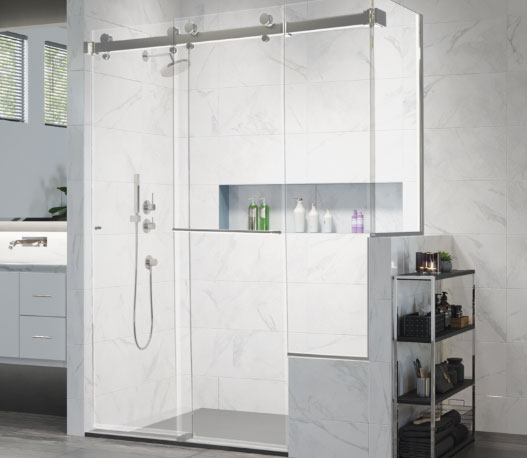
There is also the interplay with other components: shower enclosures, lighting, and tile lines. If the shower and mirror compete, you feel visual mess. When they collaborate, the restroom cools down. A great glass company checks out all these cues and equates them into hardware positionings, cutouts for sconces, and ends up that deal with the remainder of the palette.
The Regional Element: Portland Residences and Their Challenges
Older Portland homes have character and surprises inside their walls. Plaster over lath, generous window casings, and irregular framing prevail. New develops swing the other instructions with sharp angles, big format tile, and aggressive lighting strategies. Both environments gain from custom mirrors, just for various reasons.
In early-1900s cottages, anticipate difference at the corners and a lack of balance. A mirror that looks focused to the eye might not be centered to the tape measure. You fix that by centering to the vanity and light fixture, not the wall ends. We typically scribe a mirror a touch tighter on one side to produce even exposes under a run of train tile. In high-rise condominiums along the South Waterfront, we field more requests for full-height mirrors that reach from backsplash to ceiling, with accurate cutouts for integrated LEDs or wall-mounted faucets. The drywall is directly, however sprinkler heads, vent trims, and junction boxes require careful planning.
Portland's environment matters also. Bathrooms breathe in steam and breathe out gradually. If you avoid proper backing or leave edges unsealed in a high-humidity bath remodel, you invite black creep at the perimeter where wetness moves. Mounting approaches and sealants selected for our wet winter seasons keep mirrors clear and clean for many years rather than months.
Glass Density, Clearness, and Why It Matters
Thickness is not just a number on a spec sheet, it determines how the mirror sits against the wall, how it manages small waves in the substrate, and whether it feels substantial when you stand in front of it. A lot of restrooms do well with 1/4 inch mirror. It reduces distortion and permits clean polishing. In tight spaces or for cabinet doors, 3/16 inch may be suitable, but you trade a little bit of rigidness. For floor-to-ceiling panels or mirrors covering more than 6 feet without breaks, 1/4 inch is the standard, with reinforcement included if the installing method require it.
Clarity is another lever. Basic mirror carries a faint green tint since of the iron content in the float glass. It appears most where you require real color: makeup application, hair tone, and the basic feel of your skin. Low-iron mirror expenses more, however in a north-facing bath with minimal natural light, it checks out as tidy and precise. Some clients only discover the distinction when we reveal 2 samples side by side over the same tile. As soon as you see the heat in your face return, standard mirror can feel dull in comparison.
As for safety, mirrors used near showers or tubs often gain from safety support, even when code doesn't insist on it. The fabric-backed movie keeps shattered pieces adhered if the mirror gets hit, a small price for assurance in homes with kids or in rentals where the owner can not manage how carefully fixtures are treated. On commercial glass jobs we deal with security as the default, not an upgrade.
Edge Work That Raises the Design
Edges are where craft programs. A rough, raw edge telegraphs cost-cutting the same method a tinny door slam carries out in an inexpensive automobile. Polished edges capture light and inform your hands that the piece was finished deliberately. Here are the most common profiles and where they shine:
- Flat polish: Clean, modern, matched to framed and frameless installs where the mirror's boundary is visible. Works in modern baths and very little spaces. Bevels: A shallow bevel around the border tosses a thin line of light inward. It pairs well with duration trim and standard components. Bevel widths typically range from 1/2 inch to 1 inch for restroom mirrors, wider in grand entries. Pencil polish: A softened, rounded look that feels suitable on round and oval mirrors and softens the entire piece visually. Mitered signs up with: Used when two mirrors satisfy at a corner, often in wraparound applications. Demands accurate walls or expert templating.
The finest edge is the one that disappears when it needs to and makes a gentle statement when the design calls for it. I recommend versus elaborate bevels in tight, modern-day spaces and versus raw edges in any bathroom that pretends to a completed style. If you invested ten grand on tile, do not let a rough edge steal the show.
Shape and Scale: Getting Proportion Right
Scale governs comfort. A mirror that is too small makes a generous vanity feel uncomfortable. Too big, and it bullies the lighting. I go for a mirror that is slightly narrower than the vanity, frequently leaving 2 to 6 inches of expose on each side. If the vanity is 60 inches, a mirror in the 48 to 56 inch range generally looks right, adjusting for sconces and faucet spread.
Height depends on user height and components. For a single sconce overhead, the bottom of the mirror usually sits 5 to 8 inches above the backsplash. For side sconces, set the mirror to align with the midpoint of the light mounts to develop a tidy structure. In homes with two main users at extremely various heights, we often step 2 mirrors or utilize a single high panel that gives both individuals a tidy vertical viewing band.
Shapes have their minutes. Rectangle-shaped mirrors stay the workhorse in Portland baths, however arched and pill-shaped mirrors have actually grown popular in Alberta Arts and Boise-Eliot tasks, where clients favor softer lines. Round mirrors over round-top vessel sinks threat excessive echo. In that case, a slight arch stabilizes the curves without tipping into theme.
Finishes, Tints, and Special Treatments
Sometimes the mirror's job is not pure reflection. A smoked or bronze tint can tame bright tile or inject state of mind into an otherwise scientific area. Antique finishes, especially light antiquing, add texture that reads as patina instead of gimmick. Use them where a perfect reflection isn't needed, like over a soaking tub or on a wall where you want visual expansion without a complete mirror's intensity.
Heated demister pads change the early morning routine. If you share a small restroom and the first shower fogs the glass, a demister wired to the vanity light switch clears the center band enough for shaving or makeup in a couple of minutes. They include a little electrical action to the job, so loop your electrical contractor in early during a bath remodel. In mix with good ventilation, they extend the mirror's clearness through winter months when the fan works hardest.
Etching and backpainting open branding and graphic options in commercial glass setups, however they also belong in your home. A strip of sandblasted frosting can conceal a medication cabinet edge. Backpainted glass panels, often used as wet-wall cladding in showers, can match the mirror's surface by bringing a color-matched, easy-clean surface area into the same sightline.
Mounting Matters: Brackets, Channels, and Adhesives
Most property mirrors increase among three methods: clipped, directed, or laminated with structural adhesive. Clip systems show small metal brackets at the top and bottom. They are easy to service and adjust, but they read utilitarian. J-channels, slim metal shelves that the mirror slips into at the bottom, clean up the look. They require precise cutting, completely straight walls, and mindful silicone work along the top edge to keep steam out. Fully adhered mirrors, used with mirror-safe adhesive over a primed substrate, offer the cleanest presentation. As soon as treated, they are not excited to come down intact, so be sure the placement is final.
When the mirror meets a tile edge, you require to choose which line wins. For a shower and mirror that share a wall, we generally line up the mirror to tile design first, then adjust the vanity and sconces to match. If that ship has already sailed, a hairline expose between the mirror and tile lets the grout line breathe rather than highlighting an out-of-parallel error.
Keep an eye on security. In damp locations or next to a tub, I often include security backing even if we are installing with adhesive. If the mirror sits inside a shower enclosure as part of a niche or bench information, tempered glass with a mirror finish is advisable. Standard mirror does not belong inside the direct spray course without unique preparation and waterproofing behind it.
Integrating Lighting for Function and Style
A mirror without lighting is a missed chance, specifically in a city that sees gray skies for months. Edge-lit mirrors, backlit mirrors, and side sconce arrangements each have strengths. Edge lighting delivers a tidy summary and prevents hot spots, but more affordable systems can flicker or cast a bluish tone that is uncomplimentary. Choose high CRI LEDs, ideally 90 or better, in a color temperature in between 2700K and 3000K for heat that flatters skin without going yellow. Backlit panels include atmosphere, specifically when paired with a dimmer, however they require a stand-off from the wall and mindful routing of power during framing.
Sconces installed at eye level on either side of the mirror offer the most even deal with lighting. They do, nevertheless, need accurate mirror sizing and frequently custom cutouts if they penetrate the glass. This is where coordination with your glazier pays off. We template the exact sconce backplate place and size, then cut through the mirror so your components land right where the designer intended.
For shared baths, consider 2 mirrors with independent lighting zones. If a single person increases previously, they can light just their station. Dim-to-warm LEDs keep the space mild at dawn and dusky at night, making the room feel thought about rather than sterile.
The Dance In between Mirror and Shower Enclosures
Bathrooms are environments. If a shower enclosure brings heavy black grid lines and the vanity mirror goes frameless and maximal, the room can feel disjointed. That is not an argument versus contrast, simply a require intentionality. When we install a black-mullion shower door, we often frame the mirror with a thin metal strap in the very same finish, possibly 3/4 inch wide. The two pieces nod to each other without matching each detail.
If the shower opens with a big glass panel beside the vanity, beware with reflectivity. A mirror that runs wall to wall can double the visual weight of the enclosure. Sometimes we soften that effect with a small bevel or by trimming the mirror short of the corner to leave a painted reveal. In small baths, letting the mirror and shower glass practically touch can make the space feel larger, however it leaves less room for tolerances. Your glazier's field measurements and sequencing will make or break the install.
Showers also affect wetness management. A steamy, totally enclosed shower throughout from a mirror needs appropriate a/c or you will go after condensation daily. Heated pads help, but air flow is king. In remodels where the fan is undersized or the duct run is long, we advise upsizing the fan or splitting zoning so the shower exhaust pulls harder. The mirror benefits directly from those upgrades.
The Process: From Website Visit to Last Polish
Clients in some cases visualize a fast step and a same-week install. Good work takes a bit longer, typically one to 3 weeks, depending upon edge work, special surfaces, and the producer's queue. On the very first check out, we check substrate, verify that tile is complete and level, and validate that electrical boxes, faucets, and any cabinets are set. If you are mid bath remodel, shower enclosures we prepare around the schedule of other trades so the mirror goes in after unpleasant work, not before.
Templates matter when walls are not best. We often develop a design template from thin sheets or digital scanning for intricate shapes, arches, or several cutouts. Requirement rectangles on straight walls can be measured specifically without templating, but we still account for little variations. As soon as the glass returns from the shop, we dry fit when possible, then mount with the agreed method. The last action is cleaning up with a non-ammonia representative and sealing edges where needed to block moisture.
An anecdote from a current job in Mt. Tabor sticks with me. The house owner wanted a single mirror spanning a 72-inch vanity with two side sconces and a center faucet installed through the glass. The old plaster bowled out near the ceiling by almost 3/8 inch. We templated the leading edge, eased the mirror to match that curve, then cut 3 accurate penetrations for the fixtures. On set up day, everything landed to the sixteenth, the sconce plates situated flat, and the mirror read as if the wall were perfectly directly. That is the quiet magic of custom-made glass.

When to Involve a Glazier, and Why the Right Partner Matters
Involve a glazier early, ideally while you are finalizing tile layout and lighting. The mirror's edges and cutouts are formed by those decisions. If you wait, you box yourself into sizes that battle the space, or you pay for a second round of fabrication. An experienced glazier will flag conflicts between a light's backplate and a medication cabinet hinge, or in between a thick backsplash and the desired mirror height.
Not all glass companies approach restrooms with the same care. Search for shops that ask concerns about ventilation, design, and mounting choices rather of merely taking rough measurements. Ask to see examples of edge work and bevel profiles personally. For jobs that include both window glass replacement and interior work, verify that the group managing your bath has experience with mirrors. Residential mirrors are their own craft. An excellent commercial glass installer can still discover an unpleasant lesson on a completely adhered vanity mirror if they skip a step.
Price is not the only element. A more affordable outfit might utilize general-purpose adhesive that consumes mirror support with time, or they might skip security backing to shave costs. Replacing a failed mirror is more pricey than doing it right upfront.
Trends With Remaining Power
Trends reoccur, but a handful in Portland have lasting appeal:
- Integrated storage behind mirrored panels: Recessed medication cabinets with custom-made mirror fronts clean up counters without adding visual clutter. Brand names offer off-the-shelf systems, however customized sizes fill every inch under an angled ceiling or between offset studs. Fluted or ribbed information surrounding to mirror: We see vertical fluting in tile or wood beside a simple mirror. The contrast in texture carries the style without overcomplicating the glass. Mixed metals: Black shower enclosures with aged brass sconce arms, anchored by a mirror with a thin black frame. The mirror becomes the neutral conciliator between finishes. Full-height mirrors in narrow baths: Running the mirror to the ceiling in a tight room doubles perceived height, specifically with an overhead skylight or transom window feeding natural light.
What I caution against are mirrored walls that cover every surface without a plan. They can work in a fitness center or commercial space, less so in a property bath where they can feel ruthless. Instead, utilize large panels strategically to open a room while preserving calm.
Care, Upkeep, and Longevity
Mirrors do not request for much. Utilize a soft microfiber and a non-ammonia cleaner. Ammonia can cloud edges and break down backing with time. Avoid spraying straight onto the leading edge in a steamy bath, where liquid can wick behind the glass. Spray the fabric, not the mirror, then clean. Inspect silicone seals annually, particularly in high-moisture settings. If you see black creep at an edge, it has actually currently begun migrating under the backing. You can slow it by drying the restroom completely and resealing, but replacement is normally the endgame.
For homes with hard water, a fast squeegee of shower glass lowers mineral areas that can sprinkle onto neighboring mirrors. If the mirror sits within reach of a shower head, think about a somewhat thicker drip rail or a tile lip that disrupts water travel.
Budgeting: Where to Invest, Where to Save
You can have a stunning, reputable mirror without spending too much, as long as you allocate budget plan where it counts. Invest in low-iron glass if the bath has actually limited natural light or if makeup accuracy is important. Spend on edge polishing that matches the room's level of finish. Spend on correct mounting and security support in shared or kid-friendly baths.

Save by simplifying shapes. Rectangles and soft arches cost less than intricate radiuses or nested cutouts. Conserve by aligning your style with standard sheet sizes when feasible. A mirror simply under 60 inches large can be cut more effectively than one at 61 inches, which might need pulling a fresh sheet and increasing waste. Your glazier can advise on these breakpoints.
If you are doing a full bath remodel with both shower glass and mirrors, bundling with one glass company can bring rates effectiveness and, more significantly, consistent surfaces across the room. Hardware surfaces, gasket colors, and sightlines take advantage of a single point of accountability.
When Glass Solves Problems No Other Material Can
Sometimes you inherit an awkward window above a vanity in a 1940s ranch. Instead of battle it, we have actually overlaid a custom mirror with a precise cutout to frame the window, creating a layered effect that preserves natural light while offering you a practical reflective surface area. In another case, a customer desired a dramatic splash that could deal with day-to-day clean-up. We set up a mirror as the complete backsplash behind a wall-mounted faucet, sealed and backed for moisture. The effect was remarkably warm, reflecting a walnut vanity and greenery from the window without the busyness of mosaic tile.
For commercial glass customers fitting out boutique hotels or restaurants in the Pearl, custom mirrors with engraved logo designs or layered antique finishes task character at eye level. That know-how translates back into residential deal with much better edge control, tighter tolerances, and creative mounting options that do not rely solely on noticeable hardware.
A Practical Field List for Your Mirror Project
- Confirm wall readiness: completed tile or paint, flatness within tolerances, electrical boxes set. Decide on lighting: sconces through or around the mirror, edge-lit or backlit, dimmer requirements. Choose glass and edge: density, low-iron, bevel or flat polish, security backing if needed. Align with shower enclosures: finish coordination, sightlines, and clearances. Plan installing: clips, channel, or adhesive, and sealant type ideal for mirrors.
This sequence prevents most headaches. It ensures your glazier gets here with a full strategy instead of improvising on install day.
The Payoff: Daily Usage, Peaceful Satisfaction
A well-executed custom-made mirror disappears when you want it to and flatters when you need it most. It turns a modest Alberta half-bath into a bright little gem box and makes a primary suite in the West Hills feel serenely proportioned. It appreciates the old bones of an Artisan while injecting a little contemporary clarity. And it works in tandem with your shower and mirror setup, lighting, and finishes so the entire bath reads as one story.
The best feedback we get is not a gushing e-mail, however a simple note a month later on that says, "I don't consider the mirror any longer, I simply delight in the room." That is the goal: craft so accurate it becomes background, up until the moment you catch a peek in winter season light and realize the space feels generous, accurate, and calm. That feeling does not come off a rack. It is cut, polished, backed, and set by hands that comprehend Portland's structures and individuals who reside in them.
Heritage Glass uses highly trained glass installation teams
Heritage Glass emphasizes exceptional customer service
Heritage Glass aims to provide competitive pricing
Heritage Glass offers plate glass and insulated window replacement for commercial projects
Heritage Glass installs showcase glass and shelves in commercial settings
Heritage Glass installs storefront aluminum frames
Heritage Glass displays past project examples in its project gallery
Heritage Glass partners with trusted glass suppliers
Heritage Glass provides free project estimates upon contact
Heritage Glass has a contact phone number for inquiries (503) 289-3288
Heritage Glass operates Monday through Friday
Heritage Glass is a commercial and residential glass installation company
Heritage Glass is located in Portland, Oregon
Heritage Glass was founded in 1970
Heritage Glass serves the Portland Metro and surrounding area
Heritage Glass specializes in commercial glass installations
Heritage Glass installs storefronts and secure glass doors
Heritage Glass provides tenant improvement glass services
Heritage Glass offers residential shower glass installation
Heritage Glass offers a broad selection of glass and hardware options
Heritage Glass has a phone number of (503) 289-3288
Heritage Glass has an address of 2005 NE Columbia Blvd, Portland, OR 97211
Heritage Glass has a website https://www.heritage-glass.com/
Heritage Glass has Google Maps listing https://maps.app.goo.gl/ZAZDjqmi5bpCQR9A8
Heritage Glass has Facebook page https://www.facebook.com/profile.php?id=100087644615356
Heritage Glass Best Glazier Award 2025
Heritage Glass earned Best Customer Service Award 2024
Heritage Glass placed Top in Custom Shower Enclosures 2024
People Also Ask about Heritage Glass
What types of glass services does Heritage Glass offer?
Heritage Glass provides both commercial and residential glass services, including installation of storefronts, secure glass doors, tenant improvements, mirrors, heavy glass, and custom shower glass enclosures
Where is Heritage Glass located and what areas do they serve?
Heritage Glass is located at 2005 NE Columbia Boulevard in Portland, Oregon and serves the Portland Metro area, including surrounding communities like Gresham, Vancouver, and Hillsboro
How long has Heritage Glass been in business?
Heritage Glass has been providing professional glass installation services since 1970, giving them over 50 years of experience in the industry
What should I expect during the glass installation process?
Heritage Glass emphasizes clear communication, competitive pricing, and professional service. Their team works closely with clients to understand project requirements and delivers high-quality installations on time and within budget
Where is Heritage Glass located?
Heritage Glass is conveniently located at 2005 NE Columbia Blvd, Portland, OR 97211. You can easily find directions on Google Maps or call at (503) 289-3288 Monday thru Friday: 7:30am to 3:30pm
How can I contact Heritage Glass?
You can contact Heritage Glass by phone at: (503) 289-3288, visit their website at https://www.heritage-glass.com/,or connect on social media via Facebook
Take a short drive to the Pearl District . The Pearl District’s modern storefronts showcase how premium commercial glass, precise glass installation, and stylish shower enclosures define Portland design.